
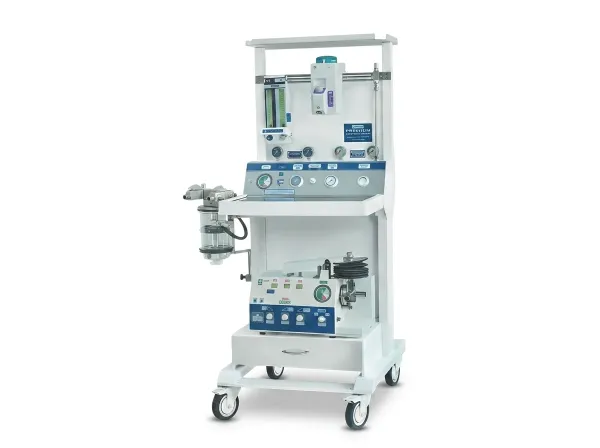
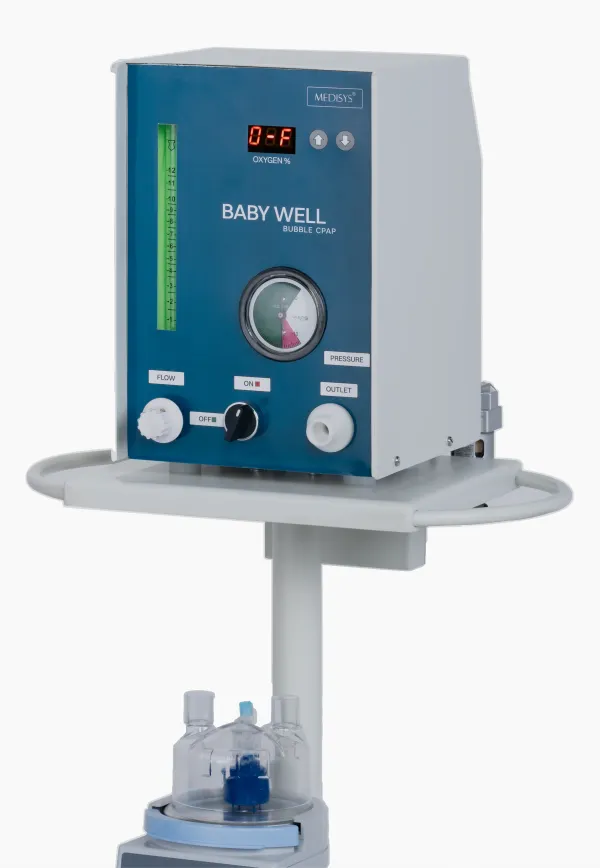
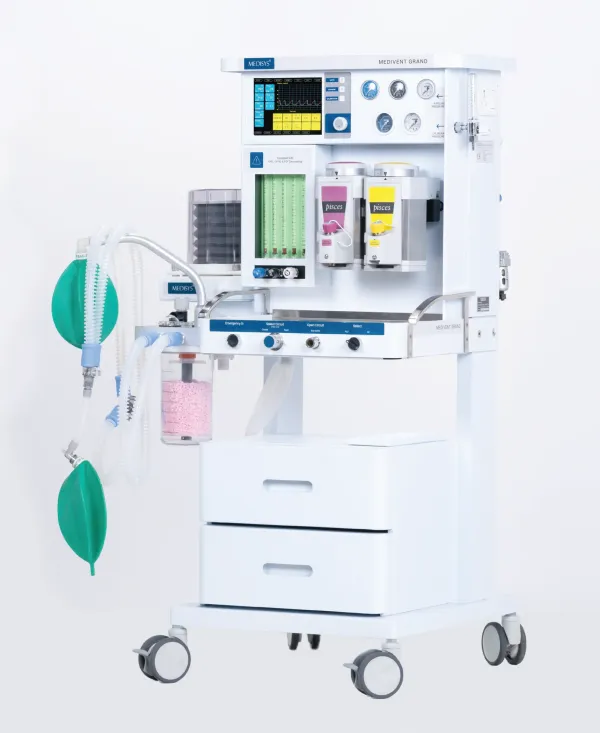
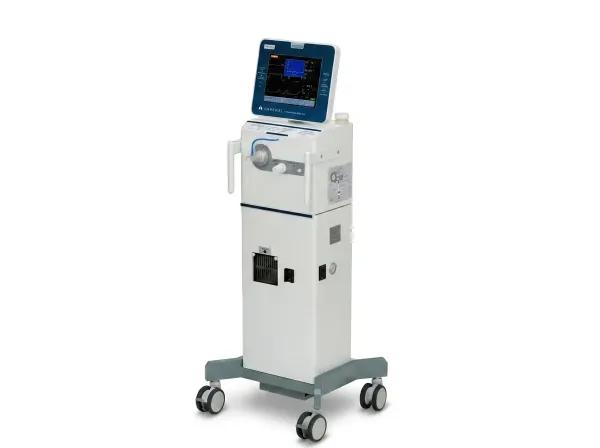
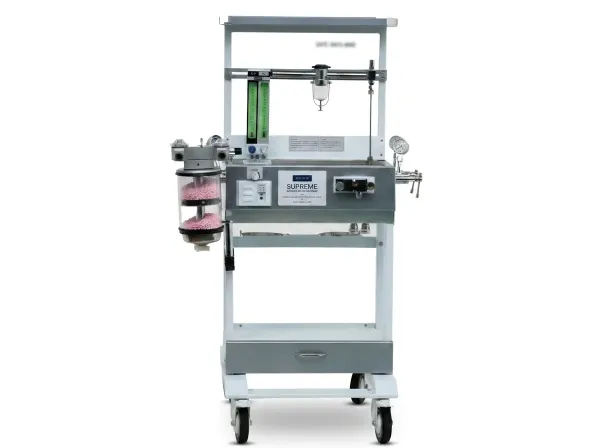
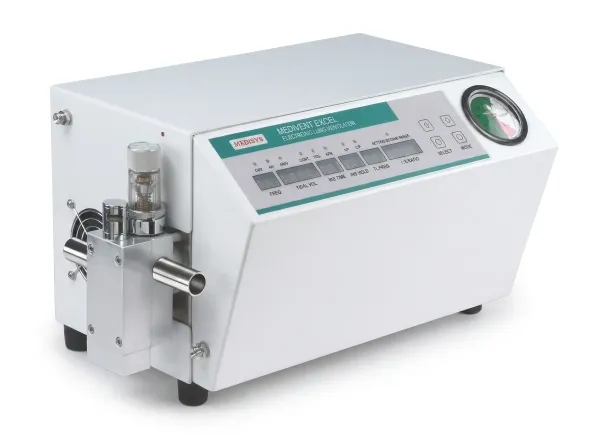
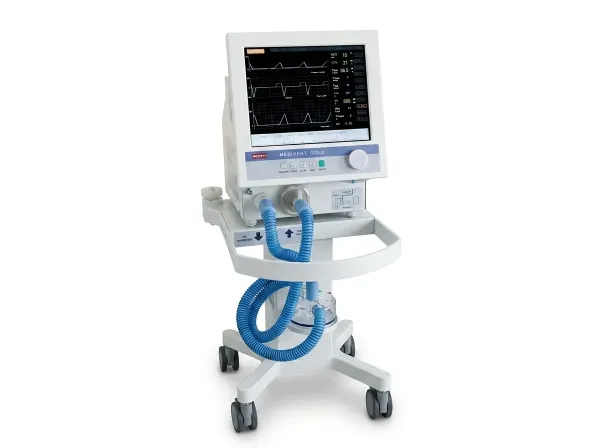
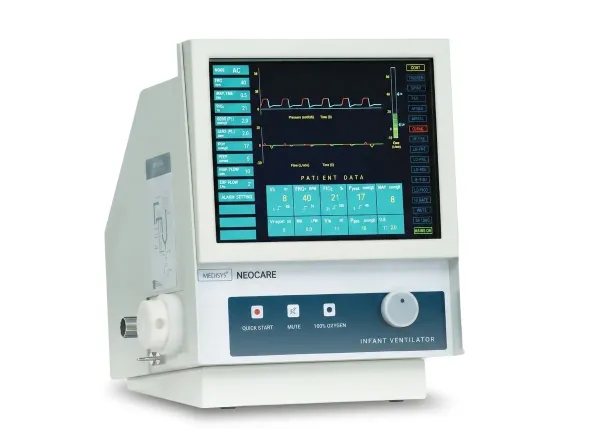
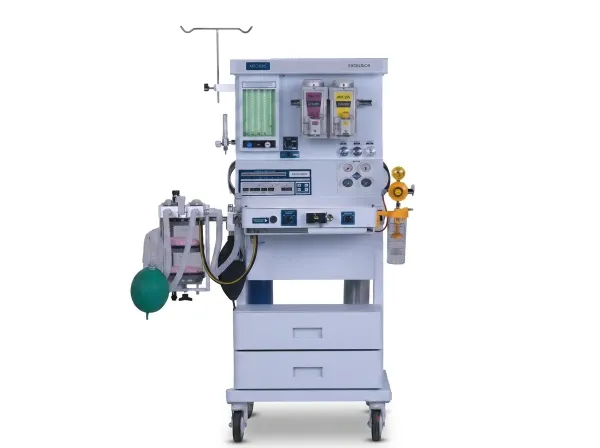
1. What is a Ventilator?
-
Definition: A ventilator is a life-support machine that helps you breathe when your lungs need extra help.
-
Support: Think of it like a helping hand—just as crutches support your steps, a ventilator supports your breathing.
-
Key Functions:
-
Gently pushes oxygen into your lungs.
-
Helps clear out carbon dioxide ($CO_2$).
-
Keeps the tiny air sacs in your lungs (alveoli) open so they don’t collapse.
-
-
Customization: Doctors can adjust settings based on what your body needs to provide the right support at the right time.
2. Types of Ventilators
-
Invasive Ventilators:
-
Used in hospital ICUs for serious breathing issues.
-
Requires a tube inserted into the patient's airway (ET Tube or Tracheostomy).
-
-
Non-Invasive Ventilators:
-
Uses masks instead of tubes.
-
Ideal for patients who need breathing support while remaining conscious.
-
-
ICU Ventilators:
-
High-end machines designed for critical care with advanced settings and continuous monitoring.
-
-
Portable Ventilators:
-
Lightweight and compact models.
-
Ideal for home care or transporting patients who need ongoing support outside the hospital.
-
3. Key Features of a Ventilator Machine
-
Modes: Offers various breathing modes (like volume control, pressure support, or spontaneous modes) to suit different patient conditions.
-
Alarms: Safety alarms alert caregivers to issues like low oxygen, disconnections, or abnormal pressure.
-
Mobility: Lightweight designs and battery backup allow easier transport within or outside hospitals.
-
Screen Type: Clear, user-friendly touchscreen interfaces help clinicians monitor and adjust settings quickly.
-
Oxygen Settings: Precise control over oxygen concentration, flow rate, and ventilation pressure for personalized therapy.
-
Compatibility: Connects easily with hospital systems, humidifiers, and homecare setups for seamless care.
4. Benefits of Using a Ventilator
-
Delivers Consistent Oxygen: Ensures a continuous and controlled oxygen supply to patients struggling to breathe.
-
Eases Breathing: Reduces the physical workload on the lungs.
-
Prevents Complications: Aids in life-saving critical care and short-term post-surgery recovery.
5. How to Use a Ventilator Safely
-
Follow Prescriptions: Ensure the settings are exactly as prescribed by the doctor.
-
Monitor the Patient: Continuously keep an eye on breathing patterns, comfort, and SpO2 levels.
-
Respond to Alarms: Listen closely to alarms; never ignore them without identifying the cause (e.g., loose connections, pressure drops).
-
Maintain Hygiene: Regularly inspect and clean tubes and filters, and keep the surroundings sanitary.
-
Power & Emergency Plans: Secure the primary power supply and always keep an emergency backup plan ready (e.g., AMBU bag, backup battery).
6. Why Buy Ventilators from Medikabazaar?
-
Trusted medical brands and certified product quality.
-
Reliable after-sales support and service.
-
Better ventilator pricing in India and assured stock for bulk purchases.
7. Benefits of Shopping Ventilators Online
-
Access to exclusive online deals and easy price comparison.
-
Flexible financing options and dependable, quick delivery.
8. Frequently Asked Questions (FAQs)
-
Q: When is a ventilator used in hospitals?
-
A: It is used when a patient cannot breathe properly on their own due to illness, injury, or surgery.
-
-
Q: What is the price of a ventilator machine in India?
-
A: Prices range from ₹50,000 to over ₹10 Lakhs depending on the type, brand, and features (portable models are less expensive, while advanced ICU models cost more).
-
-
Q: Can ventilators be used at home?
-
A: Yes, compact and user-friendly home ventilators are available for long-term respiratory support under medical supervision.
-
-
Q: Are refurbished ventilators available for purchase?
-
A: Yes, certified and tested refurbished ventilators offer a cost-effective option for clinics and homecare setups.
-
-
Q: Can I buy ventilators in bulk for my hospital or clinic?
-
A: Yes, buying in bulk through supply platforms like Medikabazaar provides better pricing, guaranteed stock, and dedicated after-sales support.
-
9. Categories & Brands Overview
-
Top Brands: Philips, ResMed, Mindray, Medtronic, GE, Omron, BPL, 3M, etc.
-
Related Products: Patient Monitors, BiPAP Machines, CPAP Machines, Suction Machines, Pulse Oximeters, Oxygen Concentrators, ICU Beds, etc.